Tea is used by Vietnamese people throughout the year, for a lifetime, from the street side café to family teapot, or luxury restaurants. Sipping a cup of tea is the beginning of a conversation with friends and sudden exchanges to become friends. Vietnamese tea plants have become a source of emotional communication in daily life, a familiar drink of Vietnamese people. Join Nang Mai – one of thetop Vietnamese tea export companies – as we explore the details in the following content.
Origin of tea
Tea has a history that dates back more than 4,000 years, making it one of the world’s oldest and most cherished beverages. Most historians agree that tea originated in China, where it was first consumed for its medicinal properties before becoming an essential part of daily life and cultural traditions.
One of the most famous legends surrounding the discovery of tea is associated with Emperor Shennong, the legendary Chinese ruler known as the “Divine Farmer.” According to ancient folklore, while traveling through southern China around 2737 BC, Shennong was boiling water to drink when a few leaves from a nearby wild tea tree drifted into his pot. Curious about the pleasant aroma, he tasted the infusion and immediately felt refreshed, energized, and mentally alert. Impressed by its remarkable effects, he named the beverage “tea,” marking the beginning of tea culture.
Another version of the legend describes Shennong as an expert in herbal medicine who spent years testing various plants for their healing properties. During one of his experiments, tea leaves accidentally fell into his boiling kettle. After drinking the infusion, he noticed its restorative and revitalizing effects and soon recognized tea as a valuable medicinal herb. As a result, tea was added to the earliest records of traditional Chinese herbal remedies.
Although these stories are legendary rather than historically verified, they highlight tea’s long-standing reputation as both a refreshing beverage and a natural medicine. Over thousands of years, tea cultivation spread from China to neighboring countries such as Japan, Korea, and India before eventually reaching Europe and the rest of the world. Today, tea is enjoyed by billions of people and remains one of the most popular beverages worldwide.
Tea is a healthy drink
Modern scientific research has confirmed what ancient civilizations believed for centuries—tea is rich in naturally occurring compounds that offer numerous health benefits. Vietnam Green tea, in particular, contains a wide range of bioactive substances that contribute to overall wellness.
Tea leaves are naturally abundant in valuable nutrients and plant compounds, including:
- Polyphenols
- Catechins
- Amino acids (especially L-theanine)
- Alkaloids such as caffeine
- Flavonoids
- Vitamins
- Minerals
- Tannins
- Saponins
- Fluoride
Researchers have identified more than a dozen groups of biologically active compounds in tea leaves, many of which possess antioxidant, anti-inflammatory, and antimicrobial properties.
Regular tea consumption may provide several health benefits, including improving mental alertness, enhancing concentration, increasing energy levels, and promoting a greater sense of well-being. Studies also suggest that tea supports cardiovascular health, contributes to healthy respiratory function, and may help regulate metabolism.
One of the most extensively studied compounds in green tea is Epigallocatechin Gallate (EGCG), a powerful catechin known for its exceptional antioxidant activity. Numerous scientific studies indicate that EGCG helps neutralize harmful free radicals, reducing oxidative stress and protecting cells from damage.
Researchers have also investigated EGCG for its potential role in cancer prevention. While tea is not a cure for cancer, laboratory and clinical studies suggest that EGCG may help inhibit the growth of certain cancer cells, reduce inflammation, and interfere with processes involved in tumor development and metastasis. Further research is still ongoing to better understand these effects in humans.
In terms of antioxidant capacity, EGCG is considered exceptionally potent. Studies have shown that its antioxidant activity is approximately 100 times stronger than vitamin C and around 25 times more powerful than vitamin E under certain laboratory conditions, making green tea and Vietnam black tea CTC one of the richest natural sources of antioxidants available.
Thanks to its unique combination of flavor, cultural heritage, and scientifically supported health benefits, tea continues to be recognized as one of the healthiest beverages enjoyed around the globe.
Tea culture of eastern countries
In the world, there are many countries growing tea and correspondingly there are many ways to drink tea.
The mode of tea promotion is elevated to art in China and Japan – which once considered tea as a religion
In Vietnam, there is Phong tea (tea drinking style), which manifests richly the cultural and behavioral aspects of Vietnamese people. And the way to moisten the tea of the Vietnamese people is also very specific: the ancient ancestors said that tea is an art, but the art is unofficial.
Because of that, the predecessors often have a way to drink tea as follows: before drinking often put through the nose to enjoy the taste of tea, then gradually descend to the mouth, lips sip a little, see bitterness, root feeling like tightened, the taste in the mouth secreted with a sweet taste, and a refreshing pleasure about tea.
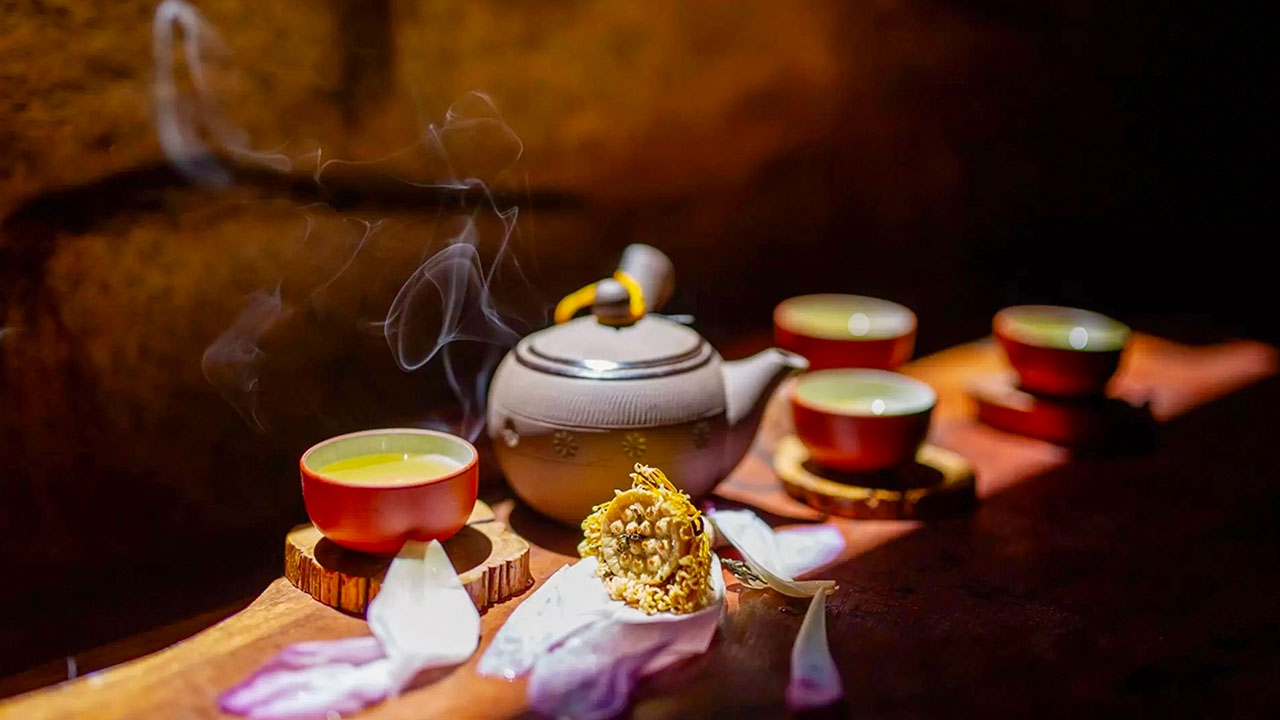
Vietnamese people use primitive tea (tea is mixed with various ingredients into lotus tea, wolf tea, emerald tea (flavored from five white flowers: jasmine (benefits of Jasmine tea), white daisies, white flowers, wood and jade); Honey tea, longan tea, ginseng tea … Each type of tea makes a different flavor, in which lotus tea is the most precious tea, once only for kings to enjoy.
Vietnamese people enjoy tea in a monoculture (alone), moist (two people), or moist pants (many people) show their pure culture, and also have quality standards as well as status. of tea.
Water used to make tea is usually rain water that is caught outdoors, or from more natural sources, more sophisticated is the dew condensing on lotus leaves early tomorrow. The way to boil water must also ensure that it remains calm and does not affect the taste of tea.
The tea space of Vietnamese people also requires a large space to enjoy the essence of tea. Tea space is often the direction of meditative culture – is a pure, elegant and gentle space. Ideally, places with beautiful and quiet natural scenery, pictures, calligraphy, reading corner, or chess board.
In summary, Vietnamese tea culture has a sophisticated and rustic character.