Tea is much more than just a beverage; it’s a cultural phenomenon that has touched the lives of people from various corners of the world for centuries. From ceremonial rituals to everyday customs, the way tea is prepared and enjoyed varies significantly from one region to another. In this blog, we will explore seven Special Tea Traditions and cultures from China, Japan, Taiwan, Russian tea culture, India, the United Kingdom, and Vietnam, showcasing the rich diversity of this beloved drink.
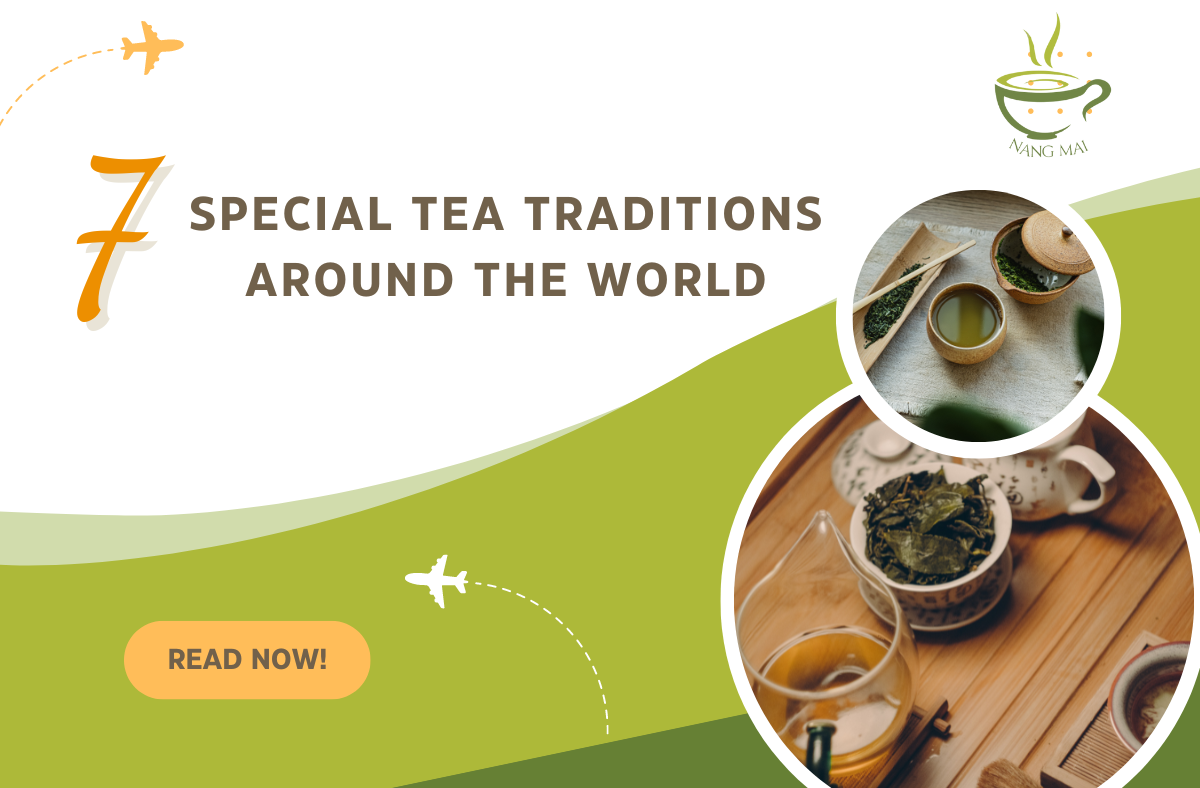
7 Famous Tea Cultures Around the World: Traditions, Flavors, and Rituals
Tea is more than just a beverage; it is a reflection of history, lifestyle, hospitality, and cultural identity. Across the world, different countries have developed unique tea traditions shaped by local ingredients, climate, customs, and social values. From the elaborate Chinese tea ceremony to Japan’s mindful matcha preparation and Russia’s traditional samovar, every tea culture offers a distinctive way to appreciate this timeless drink.
Exploring tea cultures around the world also reveals the remarkable diversity of tea varieties, brewing methods, and serving customs. Here are seven countries where tea plays an important role in everyday life and cultural heritage.
China – Gongfu Cha and the Art of Tea Brewing
China is widely recognized as the birthplace of tea, with a history of tea cultivation and consumption spanning thousands of years. Over time, tea has become deeply integrated into Chinese philosophy, hospitality, traditional medicine, and social gatherings. Different regions have developed their own preferences for tea varieties and preparation methods, creating one of the world’s richest tea cultures.
One of China’s most celebrated traditions is Gongfu Cha, which translates roughly to tea prepared with skill and care. Rather than focusing solely on drinking tea, this method emphasizes the entire brewing process, including the selection of tea leaves, water temperature, steeping time, and the choice of teaware. Small teapots or gaiwans are commonly used to prepare multiple short infusions, allowing drinkers to appreciate how the aroma and flavor evolve with each brew.
Popular Chinese teas include green tea, oolong tea, black tea, white tea, and pu-erh tea. Each category offers distinctive characteristics, from the fresh, vegetal notes of green tea to the rich, earthy complexity of aged pu-erh. Tea is also an important symbol of respect and hospitality, frequently served when welcoming guests, visiting family members, or celebrating special occasions.
Japan – Zen Philosophy and the Matcha Tea Ceremony
Japanese tea culture is closely associated with mindfulness, simplicity, and the appreciation of small details. Although tea originated outside Japan, it gradually became an essential part of Japanese cultural life, particularly through the development of the traditional tea ceremony.
Known as Chanoyu, Chado, or Sado, the Japanese tea ceremony centers on the careful preparation and serving of matcha, a finely ground powdered green tea. Participants observe a series of deliberate movements, from handling the tea bowl to whisking the powder with hot water. Every gesture contributes to an atmosphere of calmness and respect.
The ceremony is strongly influenced by Zen Buddhist principles and is commonly associated with four ideals: harmony, respect, purity, and tranquility. Rather than treating tea as an ordinary refreshment, the practice encourages participants to remain present and appreciate the experience they share.
Outside formal ceremonies, matcha is enjoyed in many everyday forms, including traditional tea, matcha lattes, desserts, and confectionery. Japanese green teas such as sencha, gyokuro, and hojicha are also widely consumed. Together, these traditions demonstrate how Japanese tea culture combines craftsmanship, aesthetics, and modern lifestyles.
Read more: Japanese Sencha green tea
Taiwan – The Distinctive World of Oolong Tea
Taiwan has earned an international reputation for producing high-quality oolong tea. The island’s mountainous terrain, varied elevations, and favorable growing conditions contribute to the distinctive aromas and flavors of its tea leaves. Taiwanese tea culture places considerable emphasis on craftsmanship, leaf quality, and the relationship between tea and its natural environment.
Oolong tea is particularly important to Taiwan’s tea identity. Positioned between green and black tea in terms of oxidation, oolong encompasses a wide range of flavor profiles. Depending on the cultivar, growing region, oxidation level, and roasting technique, the tea may feature floral, creamy, fruity, or roasted notes.
Among the best-known varieties are Dong Ding Oolong and High Mountain Oolong. Dong Ding is often associated with a rounded flavor and roasting characteristics, while High Mountain Oolong is valued for its delicate fragrance, smooth texture, and fresh floral notes. Other varieties, including Oriental Beauty, also contribute to Taiwan’s international reputation.
Taiwanese tea enthusiasts often use small teapots or gaiwans to prepare multiple infusions, following techniques influenced by Chinese Gongfu Cha. Tea gatherings provide opportunities to compare aromas, discuss brewing methods, and appreciate the changing character of the leaves. For visitors, exploring Taiwanese tea culture offers insight into the island’s agricultural heritage and dedication to tea craftsmanship.
You mey interested in: Vietnam high mountain tea
Russia – Samovar Traditions and the Warmth of Tea Hospitality
In Russia, tea has long been associated with hospitality, family gatherings, and the comfort of everyday life. Despite the country’s cold winters, tea is enjoyed throughout the year and remains a familiar part of social occasions. Russian tea traditions are particularly notable for their distinctive brewing methods and generous serving customs.
The samovar is one of the most recognizable symbols of Russian tea culture. Traditionally, this metal vessel was used to heat water for tea preparation. A concentrated tea infusion, known as zavarka, is brewed separately and then diluted with hot water according to individual taste. This approach allows each person to adjust the strength of the drink.
Tea is commonly served with sugar, honey, lemon, biscuits, pastries, and fruit preserves. In many households, offering tea is a way to welcome guests and encourage conversation. The emphasis is often on spending time together rather than simply consuming a beverage.
Another traditional Russian drink is sbiten, a hot beverage historically prepared with honey, water, and spices, sometimes with herbs or other ingredients. Although sbiten is not tea, it belongs to the broader tradition of warming drinks enjoyed in Russia, especially during colder months.
Today, black tea remains a familiar choice in Russian households, while green tea and flavored varieties are also available. The enduring popularity of tea reflects its role in Russian hospitality, daily routines, and the shared enjoyment of simple comforts.
Discover about: Types of Russian tea
India – Masala Chai and the Culture of Chaiwallas
India has one of the world’s most recognizable tea cultures, with tea playing an important role in everyday routines, street life, and hospitality. From busy railway stations to family kitchens and office breaks, a cup of chai often brings people together across different regions and generations.
One of India’s best-known tea beverages is masala chai, traditionally made by simmering black tea with milk, water, sugar, and a blend of spices. Common ingredients include ginger, cardamom, cinnamon, cloves, and black pepper, although recipes vary according to regional preferences and family traditions. The result is a fragrant, warming beverage with a balance of tea flavor, sweetness, creaminess, and spice.
Chaiwallas, or street tea vendors, are an essential part of this culture. They prepare and serve tea to commuters, workers, students, and shoppers, often from small stalls or roadside stands. Their presence makes chai an accessible everyday drink and an important feature of public life.
Tea is also central to hospitality in Indian homes. Offering chai to visitors is a familiar gesture of welcome, while sharing tea during conversations provides an opportunity to relax and connect. Alongside masala chai, India produces several notable black teas, including Assam and Darjeeling, each with its own flavor profile and brewing traditions.
From traditional stovetop preparation to contemporary café beverages, Indian tea culture continues to evolve while preserving the social significance of a simple cup of chai.
The United Kingdom – The Tradition of Afternoon Tea
The United Kingdom is internationally associated with afternoon tea, an elegant tradition that combines tea drinking with light refreshments and social interaction. Although tea itself became popular in Britain through global trade, it gradually developed into an important part of British domestic and social life.
Afternoon tea is traditionally served in the mid-afternoon and often includes a pot of black tea accompanied by finger sandwiches, scones, clotted cream, jam, cakes, and small pastries. Darjeeling, English Breakfast and Earl Grey Tea are among the teas commonly offered, although the selection varies by venue and personal preference.
The custom is often linked to the British upper classes during the nineteenth century, when an afternoon tea gathering provided a light meal between lunch and dinner. Over time, it expanded beyond elite settings and became a popular experience at hotels, tearooms, and special celebrations.
Afternoon tea should not be confused with high tea, which historically referred to a more substantial early-evening meal associated with working households in some parts of Britain. Today, the terms are sometimes used loosely, but they have different historical meanings.
Modern British tea culture extends beyond formal afternoon tea. Many people enjoy a quick cup of tea at home, at work, or during a break. Whether served in fine china or a simple mug, tea remains a familiar symbol of comfort and everyday routine across the United Kingdom.
Vietnam – Sidewalk Iced Tea and a Diverse Tea Heritage
Vietnam has a long-standing relationship with tea, shaped by local growing regions, traditional hospitality, and everyday social customs. Tea is consumed in homes, workplaces, restaurants, and street-side cafés, making it one of the country’s most familiar beverages. Vietnamese tea culture ranges from simple Vietnam green tea served to guests to fragrant specialty teas and refreshing iced drinks.
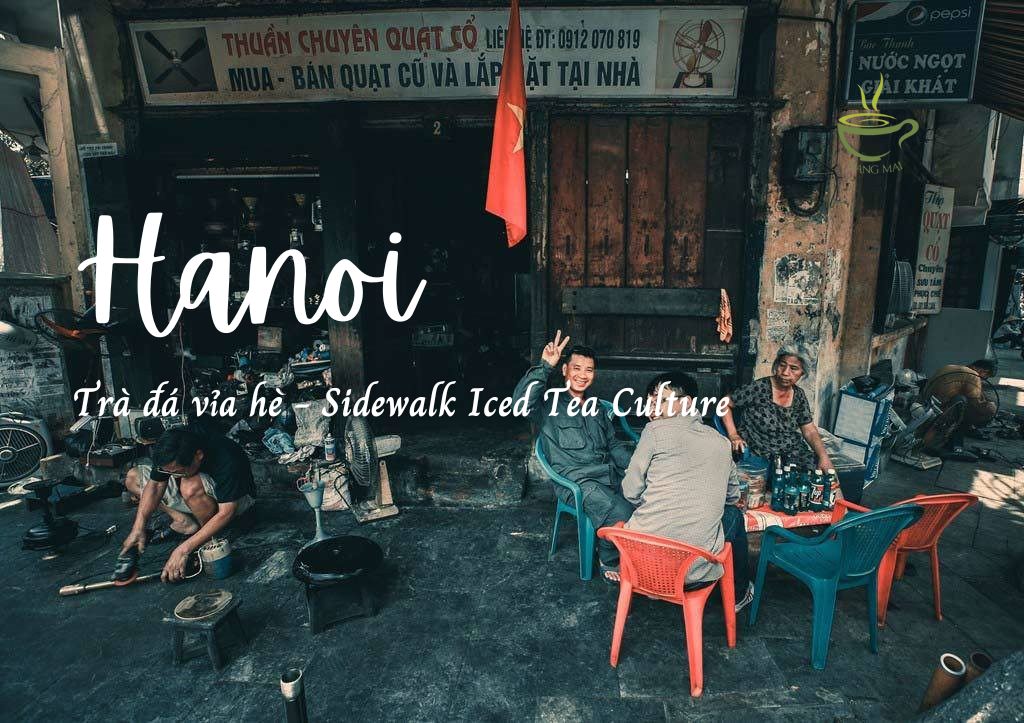
One of the most recognizable everyday drinks is Vietnamese iced tea, often called trà đá. Commonly served at sidewalk cafés and casual eateries, it is usually a lightly brewed tea poured over ice. Its refreshing taste and affordable price make it a popular accompaniment to meals, conversations, and breaks during the day.
Vietnam also produces a variety of teas, including green tea, black tea, oolong tea, lotus tea, and jasmine tea. Green tea is widely enjoyed for its fresh, slightly astringent flavor, while jasmine tea is valued for its floral fragrance. Lotus tea, traditionally scented with lotus flowers, is often associated with refined hospitality and Vietnamese cultural heritage.
Tea is frequently offered to guests as a gesture of welcome and respect. In many settings, sharing tea creates a relaxed atmosphere for conversation, whether among family members, friends, or business partners.
Vietnam is also famous for its strong coffee culture, particularly ca phe sua da, or iced coffee with condensed milk. Although coffee and tea have different places in the country’s beverage landscape, both reflect Vietnam’s lively café culture and its appreciation for drinks that bring people together.
With established tea-growing areas and a diverse range of products, Vietnam also participates in international tea markets. Its green tea, black tea, oolong tea, Vietnam matcha powder and scented teas serve both domestic consumers and overseas buyers seeking different flavors and product specifications.
Conclusion
Tea is a global beverage with wide cultural traditions and rituals. Whether you’re sipping matcha in Japan, enjoying a traditional British afternoon tea, or sharing chai with friends in India, tea connects people across continents and time, uniting them in the simple pleasure of a comforting cup of their favorite brew. Exploring these diverse tea cultures can be a fascinating journey that opens up a world of flavors, customs, and history.